

 Auctions







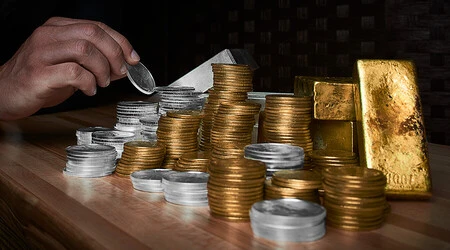









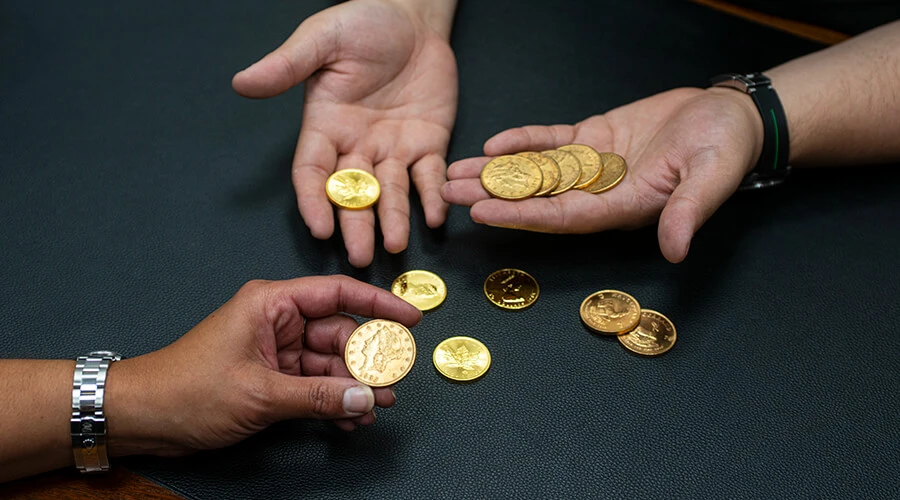

Last week gold surged past $4,000 per ounce. Now silver has followed suit.
According to a Fox 26 Houston broadcast, silver recently closed near $50 per ounce - breaking its long-standing high of $48.70 set in 1980.
What’s Driving Silver’s Surge
-
Industrial demand
Silver is essential in electronics, photovoltaics (solar panels), and a host of clean energy technologies. Its industrial uses anchor demand beyond speculation. -
Supply constraints
Physical silver inventories, especially in London, are tight. Some dealers have moved inventory to the U.S. ahead of tariff or trade risk. This scarcity pushes premiums in markets that can physically deliver. -
Safe-haven appeal
As with gold, investors view silver as a hedge against economic uncertainty. But silver is cheaper — making it more accessible to retail investors who feel they “missed the boat” on gold. -
Market psychology & momentum
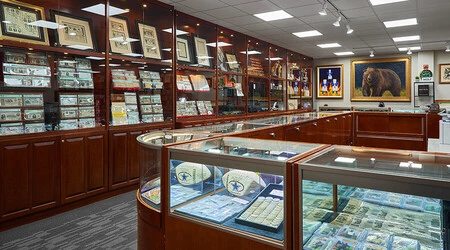
The narrative of “don’t miss—silver is next” can fuel retail buying momentum. In Houston, U.S. Coins & Jewelry reportedly had a full day of lines from buyers.
Risks & Caveats
-
Volatility
Silver’s smaller market cap (versus gold) makes it more susceptible to swings. Fast gains can mean steep corrections. -
Industrial demand dependence
A contraction in electronics, solar deployment, or manufacturing could weaken silver’s fundamentals. -
Monetary & rate environment
If central banks raise rates or tighten monetary policy, safe-haven interest could recede, hurting precious metals. -
Physical vs paper markets
The premium on physical silver detached from futures or ETFs can widen. Owning paper (futures, ETFs) may differ from holding metal.
Outlook
Analysts quoted in the broadcast expect more gains—though likely slower than gold’s run. Some project silver may reach $60/oz by year end.
Given the current mix of supply stress, industrial tailwinds, and investor demand, silver is in a bullish phase. But the upswing may invite sharp pullbacks. For anyone thinking of entering now, position sizing and risk controls are critical.